- Home
- Our Team
- Portia Gordon, PhD, LPC-S, RPT-S, ICST
- Anedra Robertson, LPC
- Ariana Hollis, LPC, NCC
- Britt Brown, LPC, NCC
- Bryn Hickey, LPC, NCC
- Gabrielle Lee, LPC
- Tracy Ferezan, LPC, LMHC, LCDC
- Mark Gonzales II, LPC-Associate
- Domonique Green, PLPC
- Ja’Che Malone, PLPC
- Kristin Gutierrez, LPC-Associate, NCC
- Latrina Hogan, PLPC
- Rose Sylvester, PLPC
- Upcoming Events
- Counseling Services
- The WELL Professional Services
- The WELL Philosophy
- Learn From The WELL
- Monthly Body Doubling
- 9/18: Trauma or Something Else? Differential Diagnosis in Clinical Practice
- 10/16: Beyond the Bruises: Understanding & Treating Intimate Partner Violence
- 11/13: Would This Hold Up in Court? Documentation, Ethics, and Real-World Clinical Practice
- 12/11: Sustaining the Self: Preventing Burnout Early in Your Career
- Back To The WELL Retreats
- Grow From The WELL Board Approved Supervision
- The WELL Practice L.A.B. Incubator
- The WELL Practice L.A.B. Consulting
- The WELL Practice L.A.B. Coaching
- Get Your CE Trainings Approved for NBCC/ASWB Credit
- Coaching
- Community Turning Point
- Free Resources
- Home
- Our Team
- Portia Gordon, PhD, LPC-S, RPT-S, ICST
- Anedra Robertson, LPC
- Ariana Hollis, LPC, NCC
- Britt Brown, LPC, NCC
- Bryn Hickey, LPC, NCC
- Gabrielle Lee, LPC
- Tracy Ferezan, LPC, LMHC, LCDC
- Mark Gonzales II, LPC-Associate
- Domonique Green, PLPC
- Ja’Che Malone, PLPC
- Kristin Gutierrez, LPC-Associate, NCC
- Latrina Hogan, PLPC
- Rose Sylvester, PLPC
- Upcoming Events
- Counseling Services
- The WELL Professional Services
- The WELL Philosophy
- Learn From The WELL
- Monthly Body Doubling
- 9/18: Trauma or Something Else? Differential Diagnosis in Clinical Practice
- 10/16: Beyond the Bruises: Understanding & Treating Intimate Partner Violence
- 11/13: Would This Hold Up in Court? Documentation, Ethics, and Real-World Clinical Practice
- 12/11: Sustaining the Self: Preventing Burnout Early in Your Career
- Back To The WELL Retreats
- Grow From The WELL Board Approved Supervision
- The WELL Practice L.A.B. Incubator
- The WELL Practice L.A.B. Consulting
- The WELL Practice L.A.B. Coaching
- Get Your CE Trainings Approved for NBCC/ASWB Credit
- Coaching
- Community Turning Point
- Free Resources
Burnout and Life Coaching for Helping Professionals
You may be the person others depend on: the helper, leader, problem-solver, or strong one, but constantly showing up for everyone else can leave little space to consider what you need.
Coaching with Dr. Portia Gordon offers personalized, future-focused support for helping professionals, women of color, leaders, and entrepreneurs navigating burnout, major transitions, competing responsibilities, or uncertainty about their next step.
Together, we will clarify what matters, identify what is getting in the way, and create an actionable path forward that supports both your goals and your well-being.
Coaching Rooted in The WELL
Coaching is grounded in The WELL, a framework for creating the conditions people need to thrive:
Well-Being
Consider what supports your emotional, physical, relational, and personal wellness.
Ethical Practice
Make decisions that reflect your values, responsibilities, and integrity.
Liberatory Care
Examine expectations, systems, and beliefs that may limit your choices or require you to overextend yourself.
Long-Term Sustainability
Create goals, boundaries, practices, and systems that you can maintain without sacrificing yourself.
The goal is not to make you more productive at enduring conditions that are draining you. It is to help you create a more intentional and sustainable way forward.
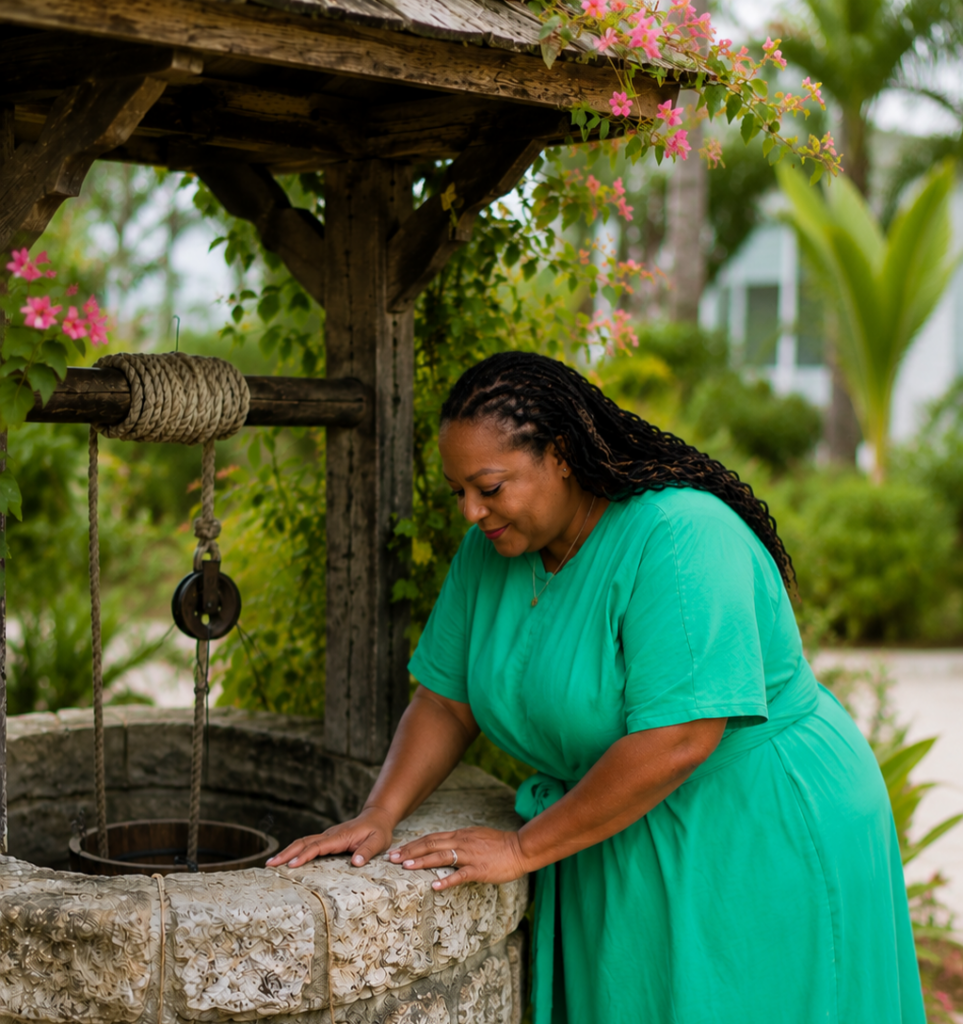
You Have Spent Enough Time Carrying Everything Alone
You don’t need to have it all figured out.
You just need space to slow down, hear yourself clearly, and decide what comes next.
Who Is Coaching For?
Coaching may be a good fit for:
- Therapists, social workers, educators, healthcare workers, and other helping professionals
- Women of color navigating high-pressure roles
- Leaders balancing responsibility, purpose, and personal well-being
- People experiencing burnout or professional disconnection
- People moving through career or life transitions
- Early-stage entrepreneurs and private-practice providers
- People who have completed therapy and want support deciding what comes next
- Anyone who wants change but feels unsure where to begin
Coaching can give you room to:
- Clarify your values, priorities, and direction
- Recognize patterns contributing to burnout
- Set boundaries that protect your time and energy
- Navigate personal or professional transitions
- Strengthen confidence and decision-making
- Move through perfectionism and self-doubt
- Turn ideas into realistic action
- Build a life or career that is sustainable for you
You do not need to wait until everything falls apart to make a change.
You Are Allowed to Want Something Different
You can care deeply about your work and still want more rest. You can be grateful for what you have built and still recognize that something needs to change.
What Coaching With Dr. Gordon Looks Like
Coaching sessions are collaborative, reflective, and action-oriented.
Reflect
We begin by identifying what is happening, what matters most, and what conditions you need to thrive.
Realign
We examine where your current choices, expectations, boundaries, or responsibilities may no longer align with your values.
Create a Plan
Together, we translate your insight into realistic goals and practical next steps.
Move Forward
You receive structure, accountability, reflection, and support as you put your plan into action and adjust it when needed.
Sessions are virtual and scheduled at a pace that fits your goals and life.
This is your space to pause, plan, and be poured into.
Weekly sessions starting at $100.
You do not have to find the next step alone.
Book a Free Discovery Call to discuss custom coaching packages or group programs
“Coaching with Portia helped me rediscover my voice and make changes I had been avoiding for years!”
— Coaching Client
What’s the difference between coaching & counseling?
While both coaching and counseling provide support, guidance, and space for personal growth, they differ significantly in focus, scope, qualifications, and goals.
Coaching
Coaching is future-focused and action-oriented. It can help you clarify goals, make decisions, build skills, create strategies, and remain accountable as you move forward.
VS.
Counseling
Counseling assesses and treats mental health concerns, emotional distress, trauma, and other clinical needs. It may involve diagnosis, treatment planning, and deeper processing of past or present experiences.
Coaching is not therapy and is not a substitute for mental health treatment. If your needs fall outside the scope of coaching, we will discuss whether counseling or another service may be more appropriate.